Namibia’s Presidential Vote Marred by Delays as Opposition Alleges Fraud
Posted 10:11 AM, Saturday November 30, 2024 3 min(s) read
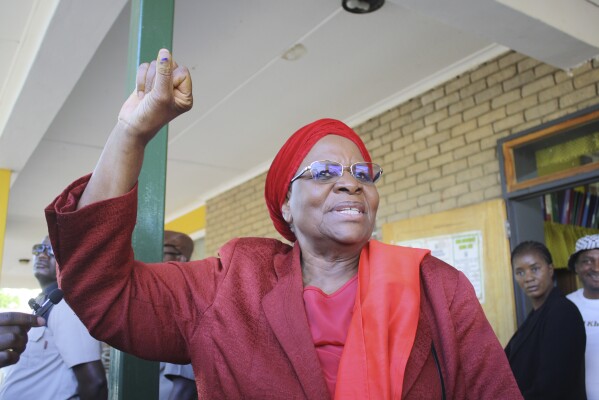
Photo by: Jedidah Ephraim
WINDHOEK, Nov. 30 (AGCNewsNet) – Namibia's presidential and parliamentary elections have been extended into the weekend after a severe shortage of ballot papers disrupted voting, a move that has drawn sharp criticism from the main opposition, which alleges fraud.
Polling stations that were set to close on Wednesday will now remain open until Saturday night, the Electoral Commission of Namibia announced, citing "logistical challenges." However, the Independent Patriots for Change (IPC) party has called the extension illegal.
Elsie Nghikembua, chairperson of the electoral body, acknowledged the delays, saying many voters had been unable to cast their ballots due to logistical failures. "We understand the frustration of voters and are working tirelessly to ensure ballot papers reach all polling stations," Nghikembua said.
Namibia, a southern African nation known for its political stability, now finds itself under scrutiny. Previous elections have been lauded as credible, but this year’s logistical chaos has sparked fears of diminished public trust.
At the Okandjengedi Community Center in northern Namibia, frustrated voter Nangombe Shitaleni said he had visited the polling station daily since Wednesday but was yet to cast his vote. "I keep coming to the same place every day without being assisted. It’s like you are a mad person," he told AGCNewsNet.
With about 1.4 million registered voters — roughly half the population — the elections will determine Namibia’s president and parliamentary makeup for the next five years.
The ruling SWAPO party, which has held power since independence in 1990, is fielding Netumbo Nandi-Ndaitwah as its presidential candidate. If elected, the 72-year-old vice president would become Namibia's first female leader.
Despite its historical legacy as the liberation movement that fought against apartheid-era South African rule, SWAPO faces mounting criticism from a youthful electorate disillusioned by high unemployment and economic inequality.
Namibia, classified by the World Bank as an upper-middle-income country, struggles with stark wealth disparities despite its rich mineral resources, including gold and uranium.
Across southern Africa, there is a growing trend of voters rejecting liberation-era parties, with demands for governance that addresses contemporary economic challenges.
Namibia’s electoral issues come amid unrest in Mozambique, where violent protests erupted following allegations of vote rigging in October’s election that saw the long-ruling Frelimo party retain power.
Observers worry that Namibia’s polling woes could dent its reputation as one of Africa's most stable democracies, further fueling regional tensions.
While ballot papers are reportedly being delivered to remote rural areas, many Namibians remain skeptical of the electoral body’s ability to manage the process effectively.
“We’ve initiated change and must continue on this path,” Nghikembua urged, emphasizing that extending the voting period ensures fairness for all. However, opposition parties and frustrated voters like Shitaleni demand more decisive action to restore faith in the electoral process.
Stay connected with AGC NewsNet for the latest news from Africa.